
Choosing appliances for a kitchen that has no worktop left

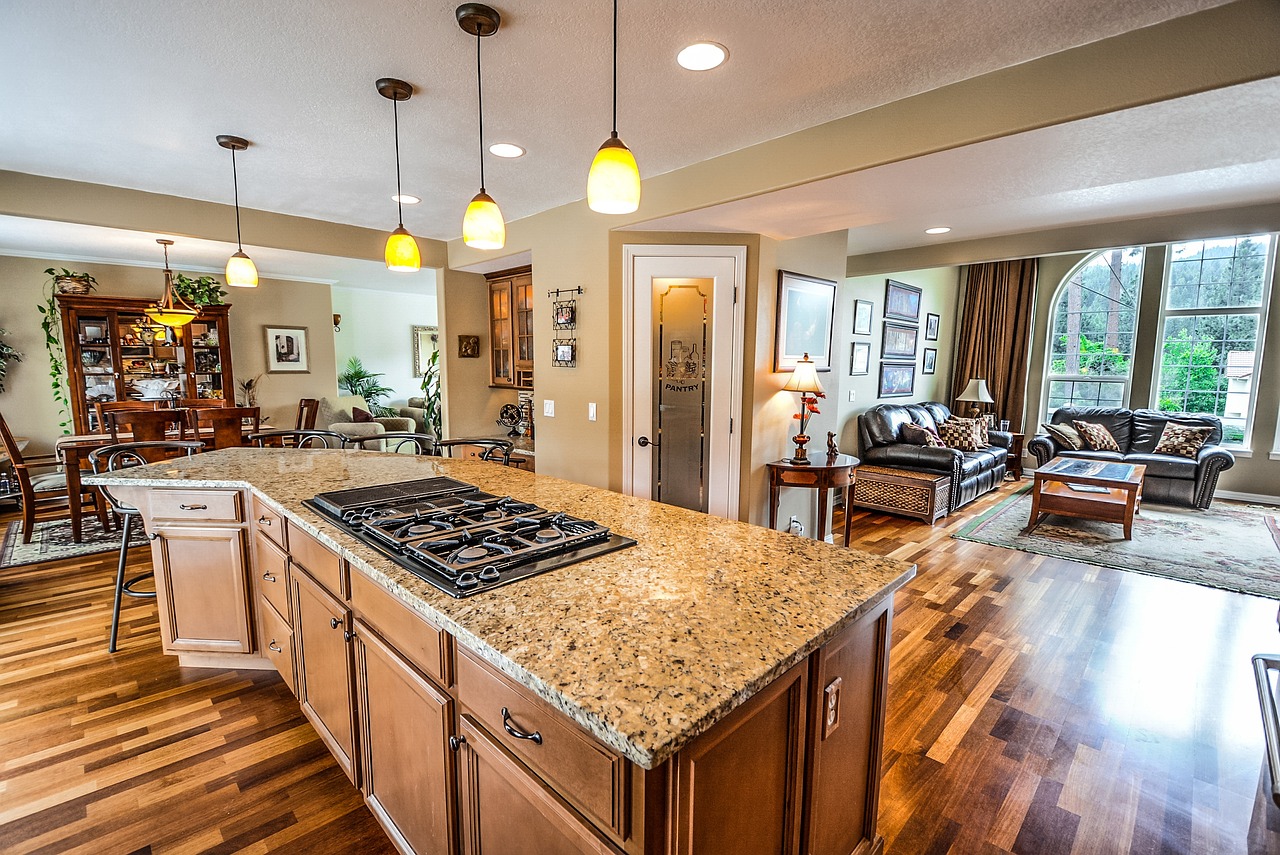
Appliance reviews are written as though every kitchen has a spare metre of empty worktop. Most do not. In a small kitchen the binding constraint is not budget or performance — it is the twenty inches of clear counter between the sink and the hob, and everything has to be judged against that.
This is a different way of choosing, and it produces different answers.
Measure before you look at anything
Three numbers, written down:
- Clear worktop depth. Not the depth of the counter — the depth you can actually use once the backsplash, the tile lip and whatever lives against the wall are accounted for.
- Height to the underside of the wall cabinets. This is the number that eliminates most stand mixers and tall blenders, and almost nobody checks it.
- Clearance to open. An air fryer basket pulls forward. A stand mixer head tilts up. A pressure cooker lid needs room to swing. The machine’s footprint is not its working footprint.
With those three numbers you can reject two-thirds of the market before reading a single review, which is a considerable saving of time.
The out-and-away rule
An appliance that lives on the worktop gets used several times a week. An appliance that lives in a cupboard gets used when you have already decided to make the effort. This is not about discipline; it is about friction, and friction wins.
So decide in advance which category a purchase falls into. If it is going in a cupboard, weight and shape matter enormously — a fourteen-kilogram stand mixer on a low shelf is a machine you will use twice a year. If it is staying out, appearance and noise start to matter in a way they do not otherwise.
Where combining actually works
Multi-cookers
Pressure cooker, slow cooker, rice cooker and steamer in one body genuinely replaces three appliances, because those functions share a heated pot and a lid. This is real consolidation.
Hand blender sets
A stick blender with a whisk and a small processor bowl covers blending, whipping and chopping in a package that fits in a drawer. It is worse at each job than a dedicated machine and it takes a tenth of the space.
Where combining does not work
Toaster-oven-air-fryers tend to be mediocre at all three, because the geometry that makes a good toaster is not the geometry that makes a good air fryer. Blender-food-processor hybrids usually mean a jug with two lids. If two functions need different shapes, combining them costs more than it saves.
Vertical space, which most kitchens waste
The gap between the worktop and the wall cabinets is usually dead air. Under-cabinet mounts for kitchen roll, magnetic knife strips, rail systems for utensils and wall-mounted spice racks all move things off the counter without occupying a cupboard. Recovering six inches of worktop depth this way is often easier than finding a smaller kettle.
Appliances that punch above their footprint
- Immersion blender. Drawer-sized, blends in the pot, washes under a tap.
- Compact food chopper. A manual or small electric chopper handles the onion-and-garlic work a full processor is overkill for.
- Small air fryer, 2 to 3 quarts. Genuinely small, genuinely useful for one or two people, and it stays out.
- Nesting bowl and measuring sets. A twenty-six piece set that nests into one bowl occupies less shelf than four mismatched bowls.
- Collapsible steamers and colanders. Flat in a drawer, full-size in use.
Two things worth resisting
Buying larger “for when we have people over”. The larger machine occupies the space every day and earns it four times a year. Cook in two batches; it is faster than you think.
Buying a set when you want one item. Sets are excellent value per piece and terrible value per inch of shelf. In a small kitchen the shelf is the scarce resource, not the money.
A worked example
Say you have eighteen inches of clear worktop depth, fourteen inches of height under the cabinets, and you cook for two. A full-size stand mixer is out on height. A 6-quart air fryer is out on depth once you allow rear clearance. A 4-quart air fryer at around eleven inches deep fits with room to open. A hand mixer replaces the stand mixer for everything except heavy dough, and lives in a drawer. An immersion blender replaces the jug blender for soup and sauces.
That kitchen ends up with two things on the counter and two in a drawer, and cooks perfectly well. The alternative — three large machines shuffled around each other — cooks no better and is unpleasant to use.
Before you order
Every appliance listing on this site carries its external dimensions alongside its capacity, because in a small kitchen the first number decides whether the second one is relevant. If you have measured your space and want a second opinion on whether something fits, the counter in National City can check the carton.
Common questions
Is a multi-cooker really worth the space?
If it genuinely replaces a pressure cooker, a slow cooker and a rice cooker, yes — those functions share a heated pot, so combining them costs nothing. Combinations that need different shapes, like toaster-oven-air-fryers, tend to do each job worse.
What is the single best space saver?
Moving utensils off the worktop onto a splashback rail or a magnetic strip. It costs very little and it recovers more usable surface than swapping any appliance for a smaller one.
Should I buy the bigger model for entertaining?
Usually not. The larger machine takes the space every day and earns it a few times a year. Cooking in two batches is faster than most people assume.
Browse the range: all products · about G & G Appliances · ask us a question.