
What a steam cleaner can clean, and what it will damage

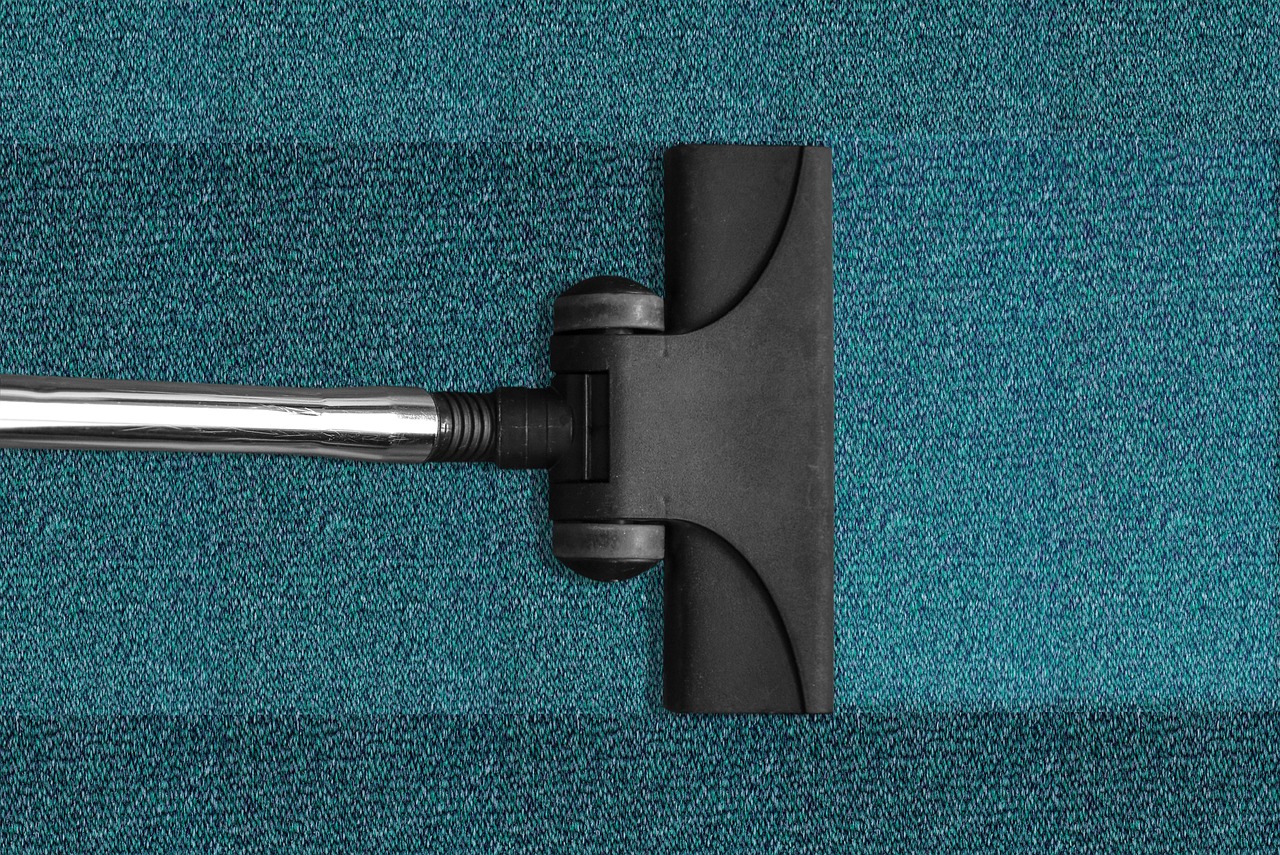
A steam cleaner heats water past boiling and pushes it out under pressure. The heat loosens grease and kills most surface bacteria; the pressure lifts the residue. It is a genuinely good cleaning method and it is sold, almost universally, as though it works on everything.
It does not. Steam is heat and moisture applied at once, and there are materials in every house that dislike both. Knowing the difference before you start is considerably cheaper than finding out afterwards.
Where steam works well
Sealed hard floors
Glazed ceramic and porcelain tile, sealed stone, and vinyl rated for heat. Steam gets into grout in a way a mop cannot and lifts the grey film that builds up over years. This is the application steam cleaners are genuinely excellent at.
Grout, tiles and bathroom fittings
Shower screens, tile joints, taps and around the base of a toilet. Steam dissolves soap scum without a chemical, and a detail nozzle reaches into corners that a cloth flattens against.
Oven interiors, extractor filters and hobs
Baked-on grease softens under sustained steam and wipes away. Slower than a caustic oven cleaner, and much pleasanter to be in the room with.
Upholstery and mattresses — with care
Steam refreshes fabric and deals with dust mites, provided the fabric is colourfast and you do not soak it. Work quickly, keep the head moving, and let the item dry fully before it is used again.
Where steam causes damage
Unsealed or waxed timber
The most expensive mistake in this category. Moisture penetrates the joints of a wood floor, the boards swell, and the finish clouds or lifts. Laminate is the same story with a different surface: the core is compressed fibreboard, and fibreboard and steam do not coexist. If a floor is not explicitly rated for steam by its manufacturer, do not use steam on it.
Cold glass
Applying hot steam to a cold window can crack it through thermal shock. Warm the surface gradually or leave it to a cloth.
Anything painted, veneered or glued
Skirting boards, painted radiators, veneered furniture and anything assembled with water-soluble adhesive. Steam lifts paint and softens glue — that is precisely why it is used to strip wallpaper.
Silk, velvet and unlined leather
Water marks these permanently. So do most delicate synthetics. Test on a hidden corner, and if you cannot find a hidden corner, do not test at all.
Reading the specification
Tank capacity sets run time. A small handheld may give five to ten minutes of steam and then need refilling and reheating, which is fine for a bathroom and tedious for a whole floor.
Heat-up time is when you can start. Thirty seconds is a machine you will use for a small job; eight minutes is a machine you will use for a planned session.
Pressure separates a steam mop from a steam cleaner. A mop wets and heats a pad. A pressurised cleaner drives steam into a surface, which is what gets grout clean.
Continuous versus trigger — a trigger gives control and saves water; continuous output suits floors where you want an even coverage.
Water, scale and the thing that kills these machines
The most common failure in a steam cleaner is limescale blocking the boiler or the jet. In a hard-water area, that can happen within a year of regular use. Some manufacturers specify distilled or de-ionised water; nearly all of them recommend it even when they do not require it, and following that advice is the single biggest factor in how long the machine lasts.
Empty the tank after use rather than leaving hot water standing in it, and run the descaling cycle if the machine has one.
Practical technique
- Vacuum or sweep first. Steam turns loose grit into wet grit.
- Keep the head moving on any surface that can absorb moisture.
- Work in small sections and wipe as you go — steam loosens, the cloth removes.
- Ventilate. You are putting water vapour into the room, and it has to go somewhere.
- Let floors dry before walking on them; a wet sealed tile is a skating rink.
Is it worth having?
If your house is mostly sealed hard floors and tiled bathrooms, a steam cleaner will do a better job than anything else you can buy and will cut your chemical use to near zero. If it is mostly carpet and timber, it is a specialist tool for the bathroom rather than a general answer.
Every steam cleaner we list states its tank capacity, heat-up time and the accessories included, so the match to your house is visible before you order. The counter in National City is happy to talk it through if you are unsure which of your floors are sealed.
Common questions
How do I know whether my floor is sealed?
Put a few drops of water on it and wait a minute. If the water beads and can be wiped away, the surface is sealed. If it darkens the material or soaks in, it is not, and steam should not go near it.
Do I need distilled water?
Check the manual — many manufacturers require it, and almost all of them benefit. Scale in the boiler or the jet is the most common way a steam cleaner dies, and in a hard-water area tap water can block one within a year.
Does steam actually disinfect?
Steam at the temperatures these machines produce reduces surface bacteria substantially when applied for long enough. It is not a substitute for a disinfectant where one is genuinely required, and a quick pass does far less than a sustained one.
Browse the range: all products · about G & G Appliances · ask us a question.